Gen Z's Childhood Is Already a Costume: The Era of Memory as Merchandise
Here's a number worth sitting with: the average Gen Z consumer — born between roughly 1997 and 2012 — is between 13 and 28 years old right now. The oldest among them graduated college recently. The youngest are still in middle school. And yet, the cultural machinery that typically waits twenty or thirty years before recycling a generation's formative experiences has already arrived, bags packed, ready to sell them their own childhoods.
The Y2K fashion revival didn't wait for Gen Z to hit their forties. Bratz dolls came back before their original fans hit thirty. Lizzie McGuire, That's So Raven, iCarly — the reboots started rolling while the generation that grew up with them was still figuring out their health insurance. The nostalgia cycle, which once operated on a long, slow rhythm, has been compressed into something almost instantaneous.
And that compression is not an accident.
The Nostalgia Economy Gets an Upgrade
Nostalgia has always been a commercial force. The 1980s revival of the 1990s, the 1970s revival of the 1990s — these were reliable patterns that the entertainment and fashion industries learned to exploit. Wait for a generation to reach peak purchasing power, then sell them a softened, idealized version of the era they grew up in. It's simple, it works, and it's been running like clockwork for decades.
What's different now is the speed — and the mechanism. Two things changed the math fundamentally.
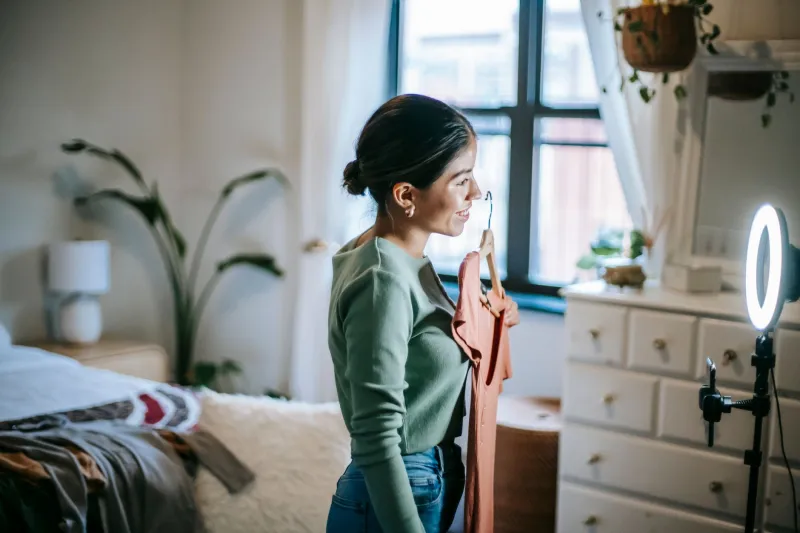
First, social media collapsed the lag time between an era ending and its aesthetic becoming "vintage." On TikTok, a trend from 2004 can be "throwback" content by 2021. The platform's algorithm surfaces old content constantly, creating a sense of temporal vertigo where the recent past feels perpetually retrievable. A 19-year-old watching clips of early Disney Channel isn't experiencing nostalgia in the traditional sense — they're participating in a live, ongoing cultural conversation about something that happened fifteen years ago. The emotional distance that used to protect memories from immediate commercialization has been drastically reduced.
Second, corporations got significantly better at monitoring cultural signals in real time. A brand's social listening team can detect a Y2K aesthetic resurgence on Pinterest months before it hits mainstream retail, giving fast-fashion companies time to flood the market with butterfly clips and low-rise jeans before the organic trend has even fully formed. What looks like nostalgia culture bubbling up from below is often, at least partially, a product that was identified, accelerated, and amplified from above.
The Reboot Industrial Machine
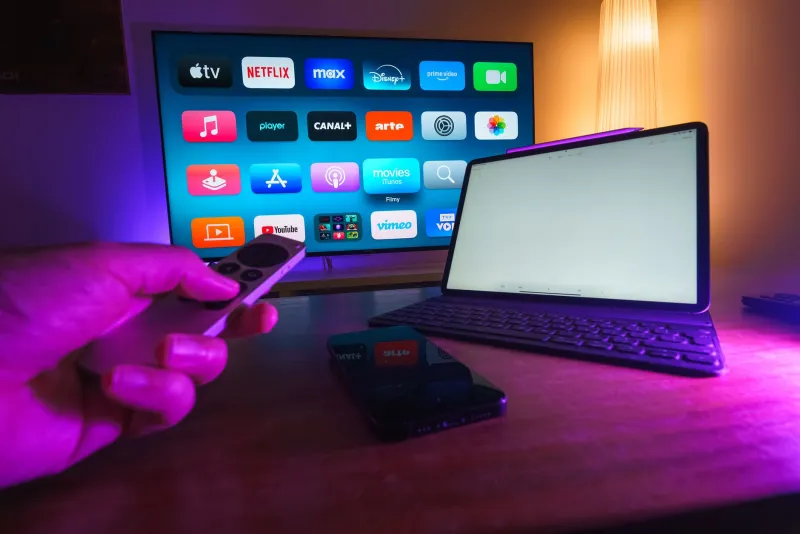
Television reboots have always existed, but the current wave aimed squarely at Gen Z's childhood is notable for both its volume and its velocity. Paramount+ revived iCarly in 2021. Disney+ brought back Lizzie McGuire — though that one imploded before it fully launched. Saved by the Bell got a reboot. Punky Brewster got a reboot. Rugrats came back as a CGI series.
The pitch to audiences is emotional: remember this? We saved it for you. The pitch to investors is financial: built-in IP recognition means lower marketing costs and a pre-warmed audience. You don't have to convince anyone to care about iCarly — millions of people already do, and they'll click on a trailer out of pure reflex.
What rarely gets discussed is the cost of this strategy to the generation being targeted. When your formative cultural touchstones are continuously repackaged and reintroduced — often in altered, updated, or diminished forms — it creates a strange relationship with your own past. The memory you had of Lizzie McGuire was yours. The streaming reboot is a product. These are not the same thing, but the industry is invested in blurring the line between them.
Y2K Fashion and the Aesthetic Ownership Problem
Fashion is where the generational mining gets most visible — and most complicated. The Y2K revival has been one of the dominant aesthetic movements of the early 2020s, driven largely by Gen Z creators on TikTok and Instagram who were drawn to the maximalist, tech-optimistic, slightly chaotic energy of early-2000s style.
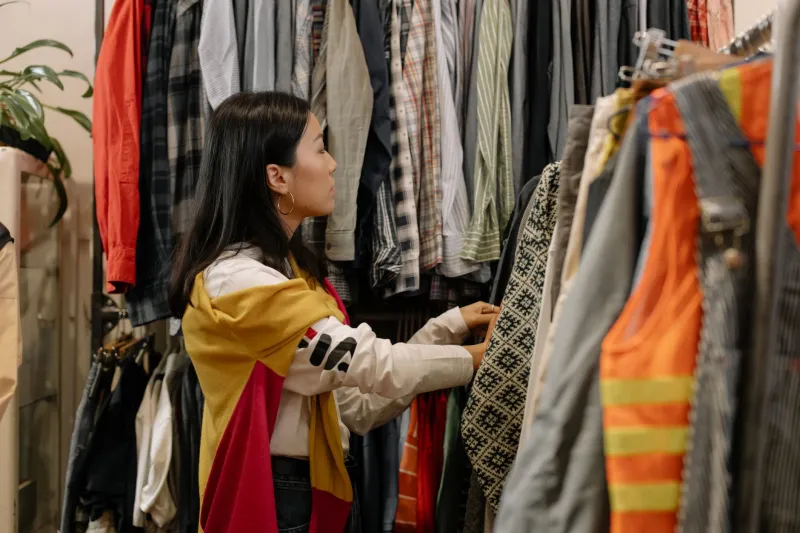
The organic version of this trend was genuinely interesting. Young people discovering their parents' old clothes, thrifting pieces from a specific era, building a visual language that felt distinct from the minimalist aesthetics that dominated the previous decade. There was real creative energy in it.
And then fast fashion showed up and turned it into a product category. Within months of the trend going mainstream, Shein, Fashion Nova, and H&M were producing mass quantities of Y2K-adjacent pieces — low-rise jeans, velour tracksuits, tiny sunglasses — at scale. The aesthetic that Gen Z had organically developed was identified, extracted, and mass-produced, often by the same companies that exploit labor abroad and flood landfills with unsold inventory.
The generation that created the trend didn't profit from its industrialization. They just got more options to buy cheap versions of what they'd already been doing.
What Happens When Your Memories Are IP
There's a deeper question underneath all of this that's worth naming directly: what happens to a generation's sense of self when their formative experiences are treated as raw material before they've finished processing them?
Nostalgia, psychologically speaking, serves a function. It's not just sentimentality — it's a mechanism for building continuity between your past and present self, for making meaning out of where you came from. When that process gets commercialized in real time, something gets distorted. The memory is still there, but it's now surrounded by merchandise. The feeling gets hard to separate from the product.
Gen X had their 1980s revival — but it happened when they were in their thirties and forties, with enough distance to engage with it critically, even ironically. Gen Z is being asked to buy their childhood back while they're still in the process of leaving it. The emotional relationship they have with this material is still being formed, and corporations are already inside that process, shaping it.
The Generation That Came Pre-Packaged
There's an argument that every generation gets this treatment eventually, and that's true. But the scale and speed of what's happening to Gen Z is genuinely different. Their childhood exists in digital archives that are immediately accessible and commercially searchable. Their aesthetic preferences are tracked in real time by platforms that sell that data to brands. The lag that once protected a generation's memories from immediate exploitation has essentially been eliminated.
The result is a generation that has, in a meaningful sense, been pre-packaged. Their experiences have been catalogued, their tastes have been mapped, and the industries that want their money have been preparing their pitches for years already. The nostalgia cycle didn't wait for Gen Z to grow up. It just moved in early and started redecorating.
Reclaiming the Memory
None of this means Gen Z is powerless in this dynamic. The same generation that's being mined for nostalgia content is also producing some of the sharpest cultural criticism of the trend — on the very platforms that enable it. There's a robust conversation happening, particularly on TikTok, about the difference between genuine nostalgia and manufactured retro aesthetics, about who profits from these revivals, about what gets lost when everything becomes content.
The awareness is there. Whether awareness is enough to change the economics is a different question.
For now, the machine keeps running. Another reboot gets announced. Another fast-fashion brand drops a Y2K collection. Another piece of someone's actual childhood gets turned into a SKU.
The past is always for sale. It's just that for Gen Z, the past started about fifteen minutes ago.