The Easter Egg Has Eaten the Lead Role: How Cameos Became the Main Event
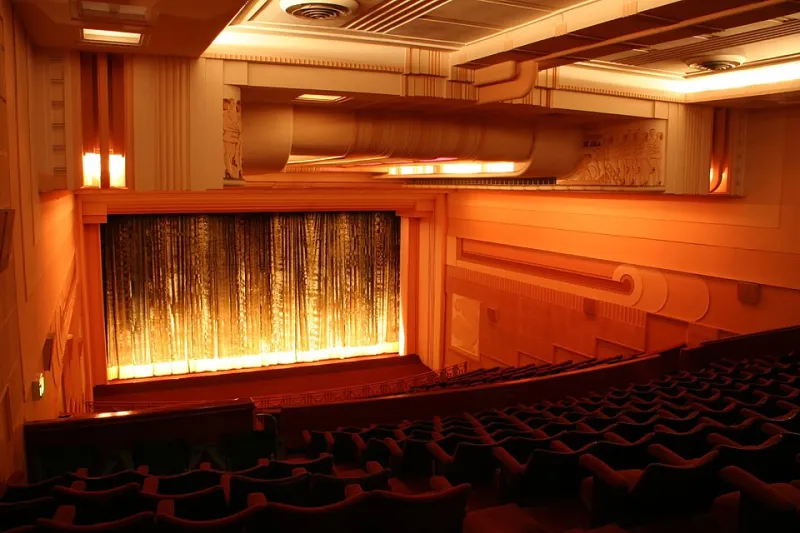
Photo: Rob Chandler, CC BY 2.0, via Wikimedia Commons
The Whisper in the Dark
You're in the theater. The movie is fine. Then a door opens, a silhouette appears, and the person next to you whispers, 'Is that...?' The audience stirs. Someone claps. The movie stops being a movie for a second and becomes a live event. That's the cameo now. It's not a small pleasure. It's the main attraction.
Casting as a Spoiler
Studios used to announce their casts. Now they hide them. A familiar face is a secret to be protected, leaked, denied, and then confirmed at the perfect moment. The cameo is a spoiler that the marketing team wants you to know about without knowing about it. It creates a pre-release conversation that has nothing to do with story. Who's in it? Who's not? What does the post-credits scene mean? The movie becomes a puzzle box. The audience becomes a detective. But the puzzle is just a guest list.
Actors Are Content Now
A movie star used to carry a film. They opened it. They were the reason you bought a ticket. Now a star can be a moment. A cameo can generate more clips than a lead performance. It can trend before the movie is even out. Actors have become content: a face to be recognized, a reference to be decoded, a sticker to be collected. That's not a knock on the actors. It's a shift in what the business values. Presence is cheaper than performance. Recognition is faster than character.
The Post-Credits Stunt
The post-credits scene used to be a joke, a bonus, a tease. Now it's a business model. It's a trailer for a movie that may or may not exist. It's a promise that the next one will have even more faces. The problem is that the promise is often better than the movie. The cameo becomes the thing you remember, not because it was good, but because it was loud. The story becomes a delivery system for the next surprise.
When Recognition Replaces Story
A cameo can be great. It can add texture, humor, history. A familiar face in a small role can make a world feel bigger. But when the biggest moment is a face, the story shrinks. Characters become delivery systems for references. The third act becomes a roll call. The emotional beat is 'I know that guy.' That's not an emotion. It's a reflex. And reflexes are easy to trigger. That's why studios keep doing it.
The Cost of the Clap
We've trained audiences to applaud recognition. The theater becomes a living room with a laugh track. That's not the end of the world. Movies are supposed to be fun. But fun is not the same as memorable. A movie that relies on cameos is a variety show. A movie that uses them well is still a movie. The difference is whether the face serves the story or the story serves the face. Right now, too often, it's the latter.
What the Easter Egg Hides
The cameo is not the enemy. The enemy is the emptiness behind it. When a movie's biggest surprise is a casting choice, it's worth asking what else it has. Maybe the answer is a lot. Maybe the answer is nothing. But the question is the point. We can enjoy the Easter egg. We just shouldn't let it be the whole meal.