Up in the Stratosphere: In Defense of the Worst Seat in the House
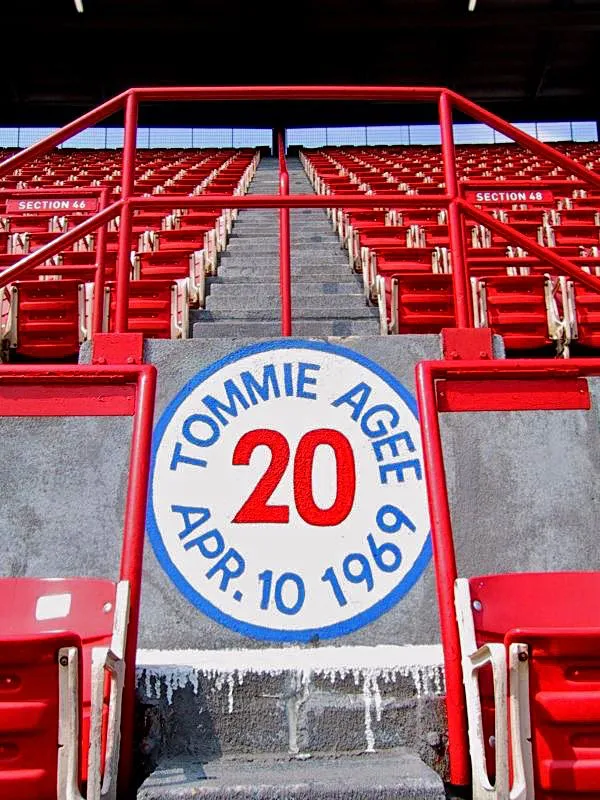
Photo: alpineinc, CC BY 2.0, via Wikimedia Commons
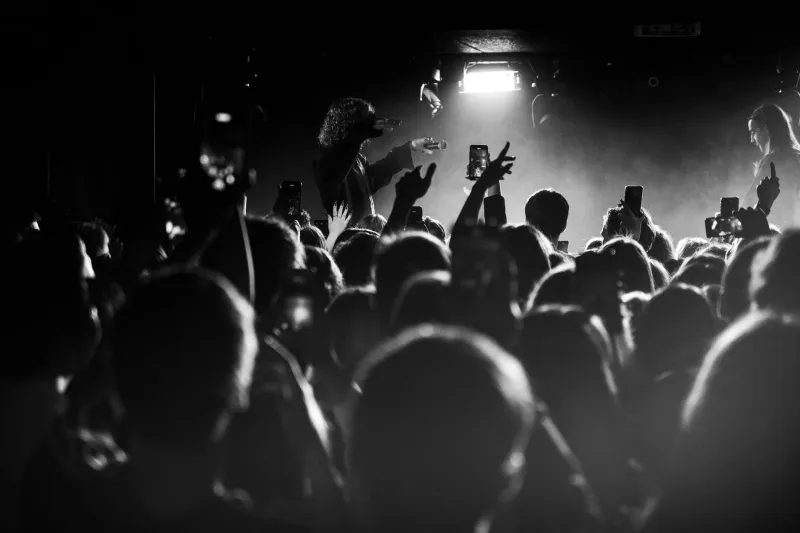
Let me tell you about the best seat I've ever had at a show. It was technically the worst seat. Last row of the upper deck, so high the players looked like chess pieces, so far from the stage the singer was a rumor with a microphone.
And it was perfect.
Because here's the truth nobody in the premium seating business wants printed: the cheap seats were never about the view. They were about access. They were the entry fee for people who loved the thing enough to be there at all.
The Nosebleed Manifesto
There's a specific kind of person who buys the $25 seat when the $250 seat exists. That person is not a tourist. The tourist buys the mid-tier ticket — close enough for the Instagram story, expensive enough to feel like an occasion. The person in the last row bought that ticket because it was the one they could afford, and they'd have taken a folding chair in the freight elevator if that's what was for sale.
Walk the upper bowl of any arena during any event and you'll learn something the front office already knows but won't say: those sections are louder. They know the words. They know the stats. They've done this before, many times, on a budget, on a weeknight, because the thing on the stage or the field is the thing they organize their life around.
The floor seats are for people attending an experience. The balcony is for people attending a devotion.
Broadway's Standing Room Secret
New York figured this out decades ago and keeps trying to forget it. Standing room at Broadway houses — sometimes under $50 for productions where orchestra seats run north of $200 — is where you'll find the theater kids, the repeat viewers, the people who can recite the cast changes. Rush tickets and lotteries built entire generations of theatergoers who graduated into season ticket holders.
The same logic runs through the cheap seats at Wrigley, the $12 matinee at the multiplex, the general admission pit where you trade a clear sightline for a place in the crowd's beating heart.
The Quiet Disappearance
Which brings us to the problem. Across American entertainment, the cheap seat is being engineered out of existence — not by accident, but by design.
Stadiums get rebuilt with fewer upper-deck rows and more "premium experiences." The upper bowl shrinks; the party decks and club levels metastasize. Broadway houses convert standing room into dynamic-priced partial views. Movie theaters rip out rows for recliners and then charge you for the recliner. Every renovation promises comfort and delivers a price floor.
The math is obvious: why sell ten seats at $30 when you can sell four at $90? But the cultural math is what matters, and it's catastrophic. Every cheap seat eliminated is a first-timer locked out. And first-timers are how any art form stays alive.
Keep the Last Row Weird
So here's my modest proposal, offered from the top of the upper deck where the air is thin and the love is thick: protect the cheap seat like it's an endangered species. Because it is.
Mandate a floor of affordable tickets the way cities mandate affordable housing. Celebrate the standing room line instead of hiding it. And if you're a fan with only enough for the nosebleeds — buy that ticket without shame. You're not getting the worse deal.
You're getting the seat the real ones sit in.