Podcasting Promised Us a Revolution. We Got a Graveyard Instead.
Somewhere on a server you'll never visit, there's a podcast about artisanal hot sauce that published four episodes in 2019 and never came back. Next to it, metaphorically speaking, sits a true crime show that ran out of crimes it could ethically cover, a sports commentary feed that died when its hosts stopped being friends, and a "daily news" podcast that posted twice a week until it didn't post at all. Welcome to the podcast graveyard — and it is enormous.
At last count, somewhere north of 70 percent of all podcasts ever created have gone silent. That's not a rounding error. That's a monument to misplaced optimism.
The medium that was supposed to democratize audio storytelling, give independent voices a real shot at an audience, and finally break the stranglehold of corporate radio has, in many ways, done the opposite. What started as a genuinely scrappy, listener-powered format has calcified into something weirdly familiar: a landscape dominated by celebrities, conglomerates, and the same three advertising categories repeated until you want to throw your earbuds into traffic.
The Gold Rush Nobody Talks About Honestly
Cast your mind back to roughly 2014 through 2020. Serial made podcasting a cultural moment. Marc Maron was interviewing the President. Gimlet Media was raising venture capital like it had invented oxygen. Every media company, startup, and celebrity with a publicist was launching a show. The trade press couldn't type the words "golden age" fast enough.
Spotify saw the wave coming and decided not to ride it — they decided to buy the entire ocean. The company dropped roughly a billion dollars acquiring Gimlet, Anchor, The Ringer, and then made Joe Rogan the centerpiece of an exclusive deal reportedly worth $200 million. The message was loud: audio is the next frontier, and we're planting our flag.
Except the frontier turned out to be mostly sand.
Spotify has since walked back huge chunks of that strategy. It laid off hundreds of podcast division employees, shuttered original shows it had spent real money developing, and quietly renegotiated its relationship with the exclusive content model that was supposed to be its moat. The Ringer survives. Gimlet, as an independent creative entity, basically does not. The podcast originals that were going to make Spotify the HBO of audio? Most of them are gone or forgotten.
Why the Economics Never Made Sense
Here's the uncomfortable math that enthusiasts kept glossing over: podcasting has always had a monetization problem.
Advertising rates for podcasts — measured in cost per thousand listeners, or CPM — are genuinely decent compared to a lot of digital formats. But decent CPMs mean nothing if your audience is small, and the brutal reality is that most podcasts have tiny audiences. The medium has a massive long tail and an extremely compressed head. A show with 50,000 listeners per episode is considered a success by almost any independent creator's standard. It is also, from a pure revenue perspective, generating maybe $2,000 to $4,000 per episode in ad revenue before splits, hosting fees, and production costs.
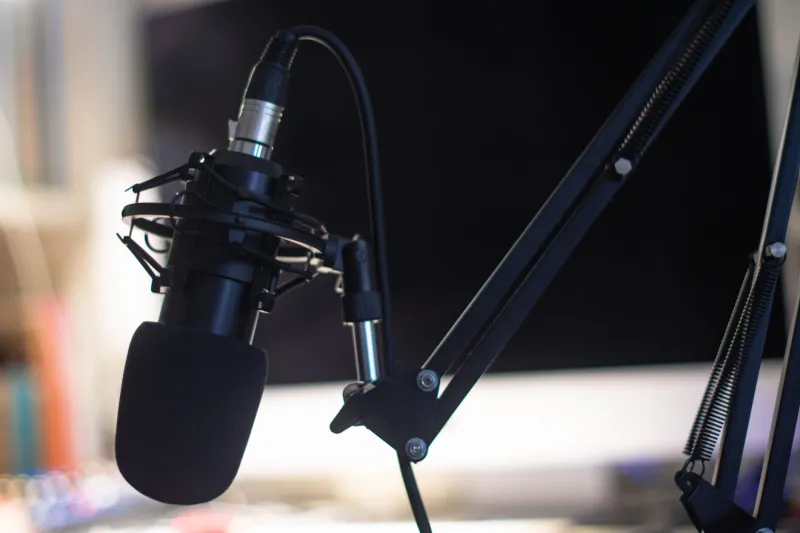
You cannot build a staff, maintain production quality, and pay yourself a living wage on that math. You can barely buy a decent microphone.
The shows that actually make money are the ones that were already famous before they started podcasting. Conan O'Brien. Armchair Expert. Call Her Daddy. The Daily from the New York Times. These aren't proof that podcasting democratized media — they're proof that existing fame and institutional backing translate directly into podcast success, the same way they translate into success in every other media format ever invented.
The Spotify Trap and What It Did to Creativity
When Spotify went on its acquisition spree, it didn't just spend money — it warped incentives across the entire industry. Suddenly, independent podcast studios were pitching themselves as acquisition targets rather than building sustainable listener relationships. The goal shifted from "make something people love" to "make something a platform will buy."
That's a subtle but devastating change. Content built to impress acquirers tends to look impressive in pitch decks and mediocre in practice. It optimizes for scale projections and brand partnerships over the slow, patient work of earning a dedicated audience.
And when Spotify stopped buying and started cutting, all those shows built on acquisition logic had nowhere to go. They weren't beloved enough to survive on listener support. They weren't profitable enough to justify continued investment. They just... stopped.
The Celebrity Takeover Nobody Asked For
Meanwhile, the faces filling your podcast app's trending section look increasingly like the faces filling your TV screen and magazine covers. Meghan Markle had a podcast. Prince Harry had a podcast. Virtually every Real Housewife has a podcast. Every comedian, every retired athlete, every politician with a book to sell — all of them showed up to claim their slice of the audio gold rush.
This isn't entirely surprising. Celebrities bring built-in audiences, and platforms need numbers. But the effect on the medium is real. When the most-promoted shows are celebrity vanity projects and corporate spin-offs, genuinely original independent voices get buried under an avalanche of familiar names doing familiar things.
The promise of podcasting was always that a sharp, passionate person with a USB microphone and a genuine obsession could build an audience on merit alone. That's still technically possible. It's just approximately as likely as making it in Hollywood the traditional way — which is to say, possible but not the norm.
Is There Anything Left Worth Saving?
Here's where it gets complicated, because the answer is yes — but it requires adjusting your expectations.
The shows that have genuinely thrived through all of this turbulence share a few traits: deep niche focus, fiercely loyal listener communities, and sustainable production models that don't require venture capital or celebrity hosts. Hardcore History. My Favorite Murder, at its peak. 99% Invisible. Stuff You Should Know. These are shows built on actual craft and consistent delivery, and they've outlasted entire podcast networks.
The Substack model — where listener support through subscriptions replaces advertising dependency — is showing real promise for creators willing to put in the relationship-building work. It's slower. It's less glamorous. It doesn't end with a Spotify acquisition announcement. But it produces something advertising-dependent models rarely do: stability.
Podcasting isn't dying. But the version of podcasting that was going to make everyone rich and disrupt everything? That's already dead. What's left is something more modest and, honestly, more interesting — a medium that works really well for creators who respect it enough to play a long game.
The Lesson Nobody Wants to Learn
Every few years, a new media format arrives wearing the costume of revolution. Podcasting wore it convincingly for a while. The lesson — the one the industry keeps refusing to absorb — is that distribution technology doesn't automatically fix the underlying economics of creative work. It just moves the bottleneck.
The bottleneck used to be radio tower access. Then it was record deals and broadcast licenses. Now it's algorithmic discoverability and ad-market saturation. The faces have changed. The structural problem hasn't.
There's still something genuinely powerful about audio — the intimacy of a voice in your ears, the way a great podcast can make a three-hour drive feel like nothing. That's real, and it's not going anywhere.
But the gold rush is over. The serious people already knew that. Now the rest of us are catching up.